 Get a Quote

 Send Inquiry
Plastic bearing
Price 2 INR/ Piece
Plastic bearing Specification
- Lubrication Type
- Other
- Structure
- Deep Groove Ball Bearing
- Precision Rating
- ABEC-3
- Inner Diameter
- 6 mm Millimeter (mm)
- Outer Diameter
- 19 mm Millimeter (mm)
- Retainer
- Plastic
- Number Of Rows
- Single Row
- Load Capacity
- Standard (Light to Medium) Pound (lb)
- Thickness
- 6 mm Millimeter (mm)
- Cage Material
- Plastic
- Seals Type
- Open
- Material
- Other
- Use
- High-precision machinery, chemical industry, food processing equipment, medical devices, and environments requiring corrosion resistance.
- Bearing Type
- Other
- Bore Size
- 6 mm
- Application
- Ideal for conveyors, pharmaceutical, and food-grade applications
- Maintenance
- Maintenance free
- Temperature Range
- -40C to +100C
- Color
- White or Black (Depending on material)
- Noise Level
- Low noise operation
- Chemical Resistance
- Good, resists acids, alkalis, alcohols, and many solvents
- Friction
- Low friction coefficient
- Corrosion Resistance
- Excellent, suitable for wet and chemical environments
- Weight
- Lightweight, easy to install
Plastic bearing Trade Information
- Minimum Order Quantity
- 5000 Pieces
- Supply Ability
- 1000000 Pieces Per Month
- Delivery Time
- 1 Week
About Plastic bearing
Plastic bearing is an especially designed rotating element which is manufactured by using materials like acetal, nylon and poly-tetra-fluoro-ethylene with a high density of 2200 kilograms per cubic metres. It has a low thermal conductivity with a high melting point of 327 degree Celsius which make it capable to resist high temperatures. Plastic bearing does not require any external lubrication and is highly resistant to corrosion. It is light in weight and is widely used in applications in medical or food processing environments. It has a low wear rates with an extremely low coefficient of friction. The offered mechanical component is capable to resist heavy axial and radial loading to offer smooth and efficient working of the machines.
Corrosion-Resistant Performance
Built for environments where exposure to moisture and chemicals is routine, this plastic bearing provides superior resistance to corrosion. Its engineering plastic construction protects against acids, alkalis, alcohols, and many solvents, ensuring longevity and reliability even in the toughest conditions.
Maintenance-Free Operation
Eliminate the hassle of regular lubrication or servicing with this maintenance-free plastic bearing. With a lubricated-free, grease-free design, it reduces operational downtime and simplifies maintenance in high-precision applications.
Versatile Industrial Applications
From conveyor systems to medical devices, this bearing fits a wide range of uses. Its precision, noise reduction, and chemical resistance make it well suited for the pharmaceutical, food-processing, and chemical industries, where contamination or corrosion can pose significant risks.
FAQs of Plastic bearing:
Q: How does the plastic bearing perform in wet or chemically aggressive environments?
A: This bearing is designed for excellent corrosion resistance due to its engineering plastic materials (POM, Nylon, PTFE). It reliably withstands exposure to water, acids, alkalis, alcohols, and numerous solvents, making it suitable for wet or chemically challenging settings.Q: What are the main benefits of using a plastic bearing compared to a traditional metal bearing?
A: Plastic bearings are maintenance-free, lightweight, and highly resistant to corrosion and chemicals. They operate quietly and require no lubrication, which reduces maintenance costs and downtime, especially in sensitive environments like food processing or pharmaceuticals.Q: When should I choose this bearing over a metal alternative?
A: Opt for this plastic bearing in situations that demand excellent corrosion resistance, low noise, and maintenance-free operation, particularly in industries involving chemicals, moisture, or strict hygiene standards, such as food processing and medical devices.Q: Where can this plastic bearing be used effectively?
A: It excels in conveyors, high-precision machinery, pharmaceutical production lines, food-grade equipment, medical devices, and other settings where chemical exposure or contamination must be minimized.Q: What is the installation process for this plastic bearing?
A: The bearing is lightweight and easy to install. Its standard dimensions (6 mm bore, 19 mm outer diameter, 6 mm thickness) and open-seal structure allow straightforward placement in most compatible housings without the need for special lubrication.Q: How does being lubrication-free benefit daily operations?
A: With no grease or oil required, the bearing eliminates the risk of lubricant contaminationa critical advantage in food, chemical, and medical applicationswhile ensuring low friction and smooth, quiet motion.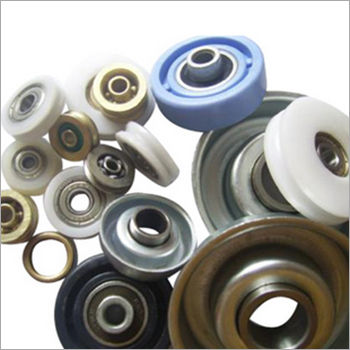

Price:
- 50
- 100
- 200
- 250
- 500
- 1000+

More Products in Non-standard Bearing Series Category
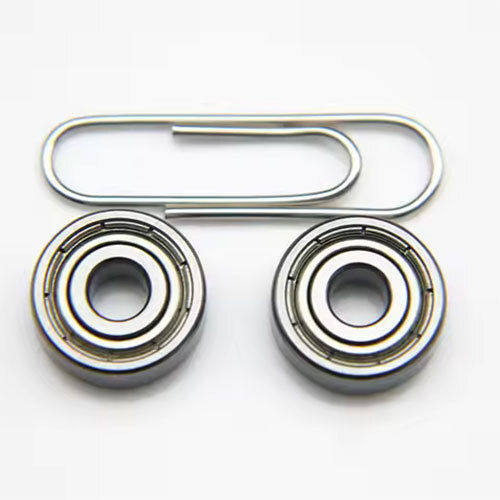
mini bearing 603 604 605 606 607 miniature deep groove ball bearing
Price 0.30 USD ($) / Piece
Minimum Order Quantity : 500 Pieces
Inner Diameter : 10 Millimeter (mm)
Number Of Rows : single
Material : Chrome steel
Outer Diameter : 10 Millimeter (mm)
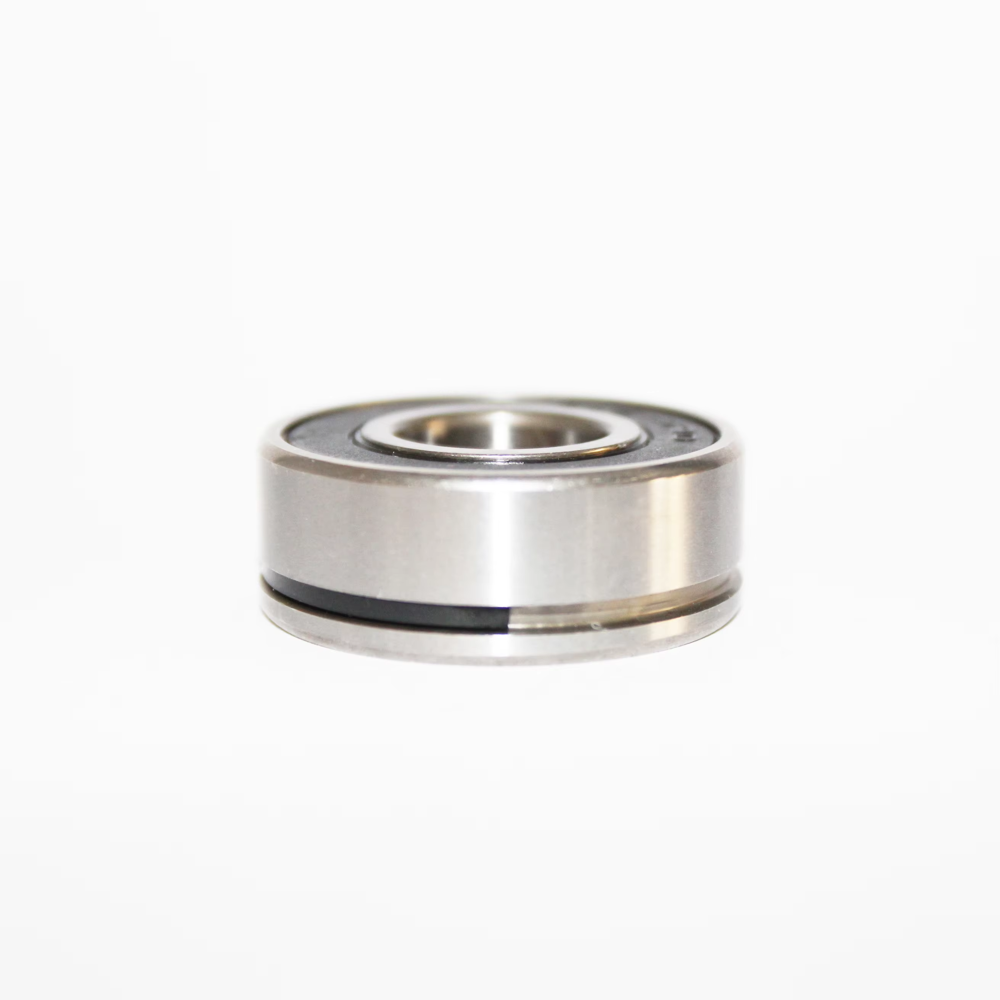
Long Life 279 B15-69 SC0299ZLU 348 B15-85D B15-45D 336 B15-86D B15-83D Automotive Alternator Bearing
Price 24.5 INR / Piece
Minimum Order Quantity : 2000 Pieces
Inner Diameter : 100 Millimeter (mm)
Number Of Rows : single row
Material : Stainless Steel, Chrome steel, Carbon Steel
Outer Diameter : 200 Millimeter (mm)
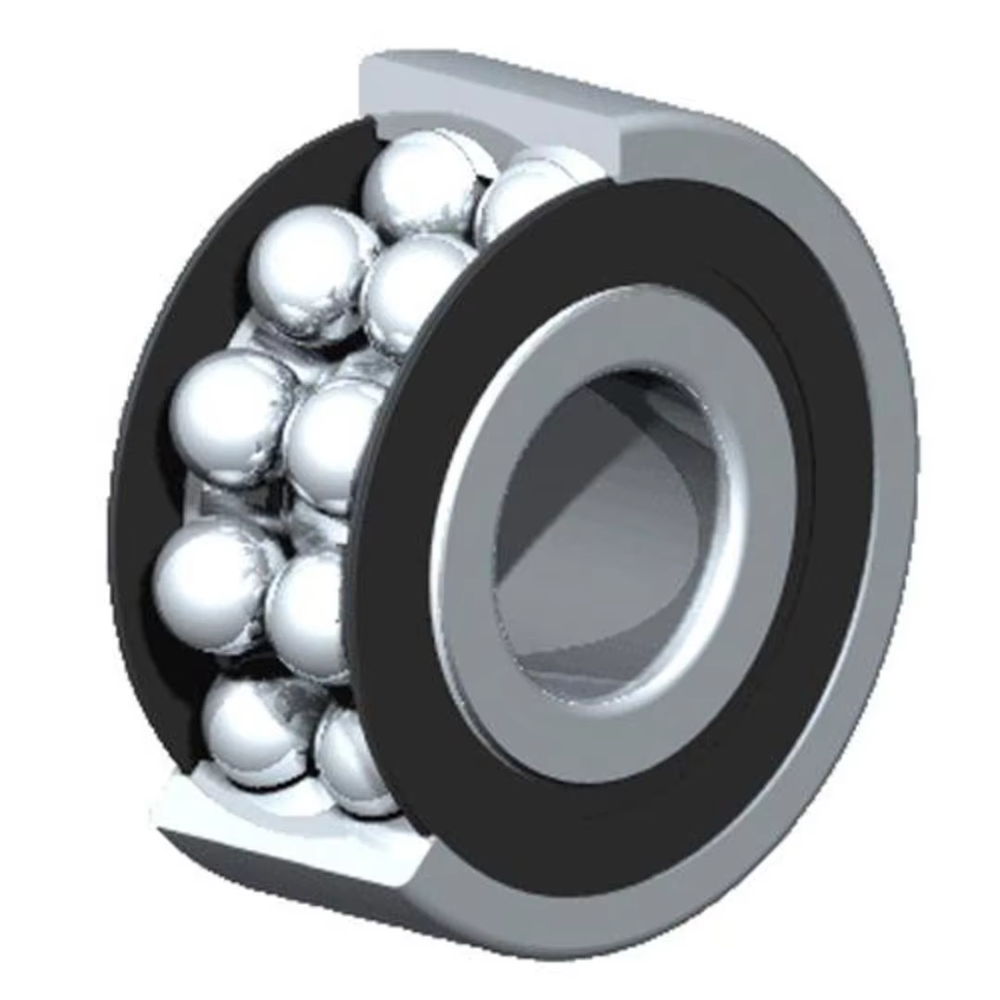
Double Row Bearing 5309-2RS 5310-2RS 5311-2RS 5312-2RS 5313-2RS 5314-2RS 5315-2RS 5316-2RS 5317-2RS Angular Contact Bearing
Price 25.7 INR / Piece
Minimum Order Quantity : 2000 Pieces
Inner Diameter : 100 Millimeter (mm)
Number Of Rows : double row
Material : Chrome steel, Carbon Steel, Stainless Steel
Outer Diameter : 200 Millimeter (mm)

Track Support Wheel Bearing LR5000KDDU LR5000NPPU LR5200KDDU LR5200KDD LR5200NPPU Track Roller Bearing
Price 25.1 INR / Piece
Minimum Order Quantity : 2000 Pieces
Inner Diameter : 100 Millimeter (mm)
Number Of Rows : single bearing
Material : Chrome steel, Carbon Steel, Stainless Steel
Outer Diameter : 200 Millimeter (mm)


- No. 446, Xinxing 2 Rd, Hightech Industrial Area, CIXI,Ningbo - 315303, Zhejiang, China
- Email ID : info@zjhoto.com
WeChat :+8613454747535
Skype ID : louise9241

- Mrs Louise Wong (Exp. M.)
- Wayne D.
- info@zjhoto.com
 Send Inquiry

Developed and Managed by Infocom Network Private Limited.
 English
 Spanish
 French
 German
 Italian
 Chinese (Simplified)
 Japanese
 Korean
 Arabic
 Portuguese