 Get a Quote

 Send Inquiry
Ball Bearing Rings
Price 0.13 USD ($)/ Piece
Ball Bearing Rings Specification
- Lubrication Type
- Other
- Inner Diameter
- Customized as per requirement Millimeter (mm)
- Seals Type
- Open, ZZ (Metal Shield), 2RS (Rubber Seal)
- Load Capacity
- Standard/Heavy-Duty Options Kilograms (kg)
- Structure
- Ring with Raceway for Bearing Assembly
- Number Of Rows
- Single or Double Row
- Retainer
- Steel / Brass / Nylon Available
- Outer Diameter
- Customized as per requirement Millimeter (mm)
- Thickness
- Customized as per specification Millimeter (mm)
- Cage Material
- Steel, Brass, Polyamide
- Precision Rating
- P0, P6, P5, P4, P2
- Material
- Other
- Use
- Bearing , autoparts and machinery parts and so on
- Bearing Type
- Ball Bearing
- Bore Size
- Custom Machined
- Packaging Type
- Corrugated Box or Custom Packaging Available
- Manufacturing Process
- Forged, Annealed, Precision-Turned and Ground
- Tolerance
- ISO/ABEC Standards
- Hardness
- 58-64 HRC (for Chrome Steel)
- Surface Finish
- Precision Ground, Smooth Finish
- Customization
- Available for Dimensions and Material
- Operating Temperature Range
- -30C to 200C (Depending on Material and Lubrication)
- Minimum Order Quantity
- As per manufacturer's policy
Ball Bearing Rings Trade Information
- Minimum Order Quantity
- 5000 Pieces
- Supply Ability
- 500000 Pieces Per Month
- Delivery Time
- 35 Days
- Main Export Market(s)
- Western Europe, Eastern Europe, Middle East, Africa, Asia, Australia, Central America, North America, South America
- Main Domestic Market
- All India
About Ball Bearing Rings
Engineered for Precision and Durability
Ball bearing rings are manufactured using forged, annealed, precision-turned, and ground processes to achieve tight tolerances and exact specifications. Their precise raceway design ensures reliable operation, while high hardness and superior finish enhance performance under varying loads and speeds. Standard and heavy-duty load capacities are available to match your specific operational needs.
Custom Solutions for Unique Applications
We provide tailored dimensions, materials, and finishes to meet customer requirements, conforming to DIN, ISO, or customer-specified standards. Rings can be supplied with custom bore sizes, thicknesses, and cage materials (steel, brass, or polyamide). Whether you need grease or oil lubrication, or a specific sealing type (open, ZZ, or 2RS), our team ensures a perfect fit for both new and replacement applications.
FAQ's of Ball Bearing Rings:
Q: How are ball bearing rings with a hardness of 58-64 HRC manufactured?
A: These rings are produced through forging, followed by annealing, precision turning, and grinding processes. This sequence ensures exceptional structural integrity, consistent hardness, and a precision-ground surface that meets ISO/ABEC and DIN standards.Q: What customization options are available for ball bearing rings?
A: Customers can specify the inner and outer diameters, thickness, bore size, material (chrome steel or stainless steel), number of rows, cage material, tolerance, and seal type. Packaging can also be customized to suit specific logistics or branding requirements.Q: When should corrosion-resistant ball bearing rings be used?
A: Corrosion-resistant variants, made from stainless steel, are recommended for environments with high humidity, exposure to chemicals, or outdoor applications where standard chrome steel may be prone to rust.Q: Where can these ball bearing rings be applied effectively?
A: They are versatile solutions for use in bearings, automotive parts, machinery components, and numerous industrial sectors. Their precision and load capacity make them ideal for both standard and heavy-duty scenarios.Q: What benefit does precision-ground surface finish provide?
A: A precision-ground, smooth surface minimizes friction and wear during operation, leading to lower noise levels, increased bearing life, and consistent performance even at high speeds or under significant loads.Q: How do you select the right lubrication and seal type for your application?
A: The choice depends on operating temperature, speed, environmental exposure, and maintenance requirements. Grease or oil lubrication can be specified, while open, ZZ (metal shield), or 2RS (rubber seal) designs suit different protection and maintenance scenarios.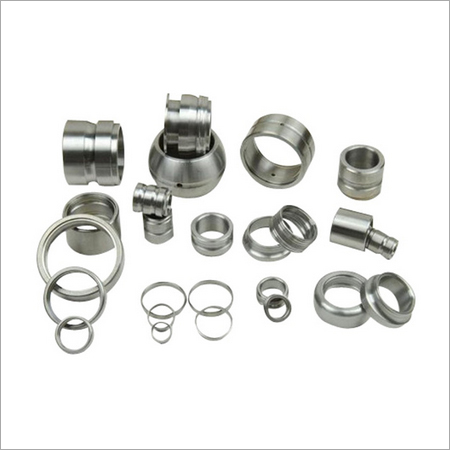

Price:
- 50
- 100
- 200
- 250
- 500
- 1000+

More Products in Bearing Rings Category

wholesale high quality bearing sleeve for textile fittings
Price 0.34 USD ($) / Piece
Minimum Order Quantity : 5000 Pieces
Bearing Type : Other
Outer Diameter : 1050 Millimeter (mm)
Material : Chrome steel
Inner Diameter : 535 Millimeter (mm)
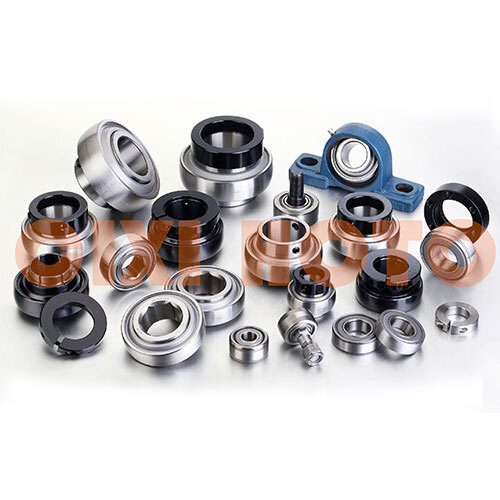
Agricultural Machinery Bearing
Price 1.2 USD ($) / Piece
Minimum Order Quantity : 5000 Pieces
Bearing Type : Ball Bearing
Outer Diameter : 52 mm Millimeter (mm)
Material : Other
Inner Diameter : 25 mm Millimeter (mm)
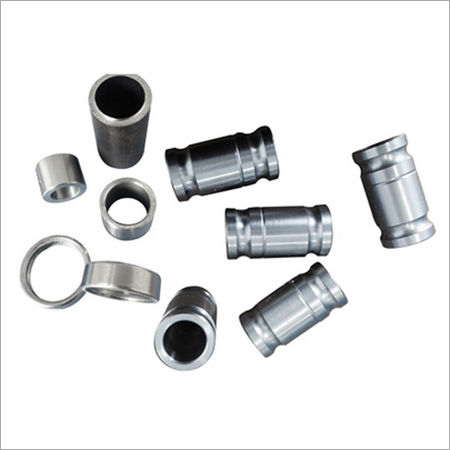
Turning Rings
Price 0.15 USD ($) / Piece
Minimum Order Quantity : 5000 Pieces
Bearing Type : Ball Bearing
Outer Diameter : 220 mm Millimeter (mm)
Material : Other
Inner Diameter : 160 mm Millimeter (mm)
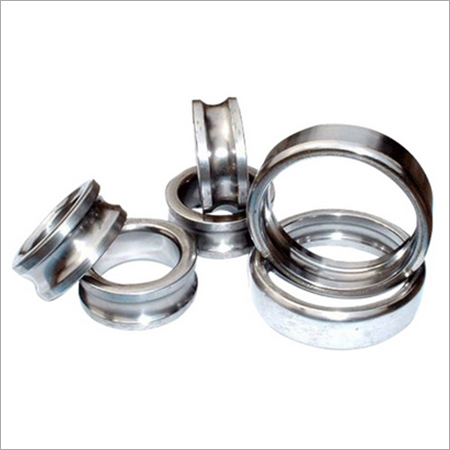
Grinding Ring
Price 0.13 USD ($) / Piece
Minimum Order Quantity : 5000 Pieces
Bearing Type : Ball Bearing
Outer Diameter : 200 mm Millimeter (mm)
Material : Other
Inner Diameter : 105 mm Millimeter (mm)


- No. 446, Xinxing 2 Rd, Hightech Industrial Area, CIXI,Ningbo - 315303, Zhejiang, China
- Email ID : info@zjhoto.com
WeChat :+8613454747535
Skype ID : louise9241

- Mrs Louise Wong (Exp. M.)
- Wayne D.
- info@zjhoto.com
 Send Inquiry

Developed and Managed by Infocom Network Private Limited.
 English
 Spanish
 French
 German
 Italian
 Chinese (Simplified)
 Japanese
 Korean
 Arabic
 Portuguese